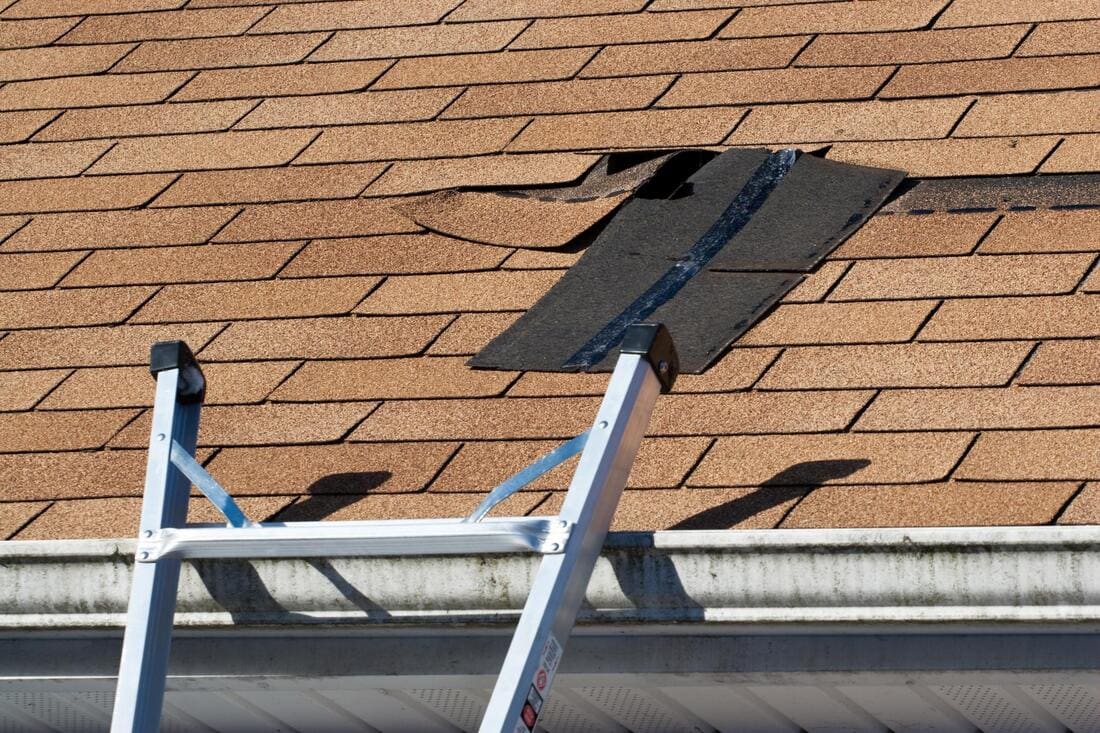
The tile on a Chandler roof can outlive the paper below it. That is why a tidy street view does not settle a leak question. An inspection needs to follow displaced or broken pieces down to underlayment, battens, valleys, ridge details, pipe flashings, skylights, and wall connections. Call (623) 241-4904 when tile has moved, a ceiling mark has appeared, or you want the waterproofing layer checked before monsoon rain finds a weak seam.
The tile is not always the leak source
Concrete tile shields the roof from sun and sheds ordinary runoff. Underlayment and correctly lapped flashing provide the water barrier when rain is driven beneath the tile. Water entering at a higher pipe jack, valley, ridge, or sidewall can travel along the deck before it reaches drywall. Replacing the piece nearest the stain may leave the actual opening untouched.
The contractor should plan a walking path, limit how much tile is disturbed, and photograph conditions as each suspect area is opened. Brittle or poorly supported pieces can crack under foot traffic. Careful access protects sound tile and makes the repair boundary easier to explain. If the interior stain is the main clue, pair this visit with the tracing steps on the Chandler roof leak page.
Common Chandler tile repairs
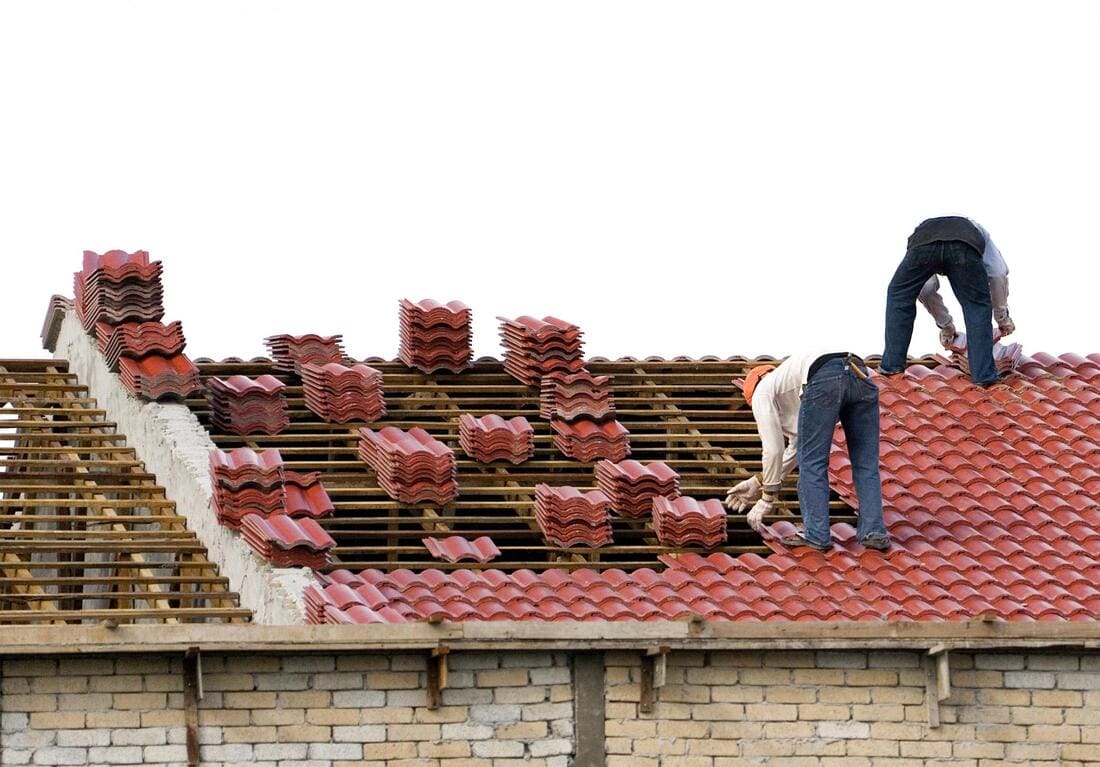
A repair may involve a broken field piece, a tile that slid out of position, open ridge material, a worn roof-edge closure, cracked sealant around a penetration, a poorly lapped valley, or flashing where a patio cover meets the house. Microburst wind can disturb an exposed edge while leaving the middle of the slope apparently unchanged. Each condition requires a repair that ties back into sound waterproofing rather than a surface-only dab of sealant.
- Reset displaced pieces and replace broken concrete tile with a compatible profile where material is available.
- Rebuild the failed ridge, valley, roof-edge, pipe, vent, skylight, or wall-flashing detail.
- Lift a controlled tile area to inspect the waterproofing layer and expose the complete tear or failed lap.
- Record whether sound underlayment surrounds the opening or whether deterioration continues beyond a responsible patch area.
Underlayment age is the expensive question
Asphalt-felt underlayment in Phoenix-area heat commonly serves about 15 to 20 years, while synthetic products can last longer. Many tile roofs built during Chandler's 1990s and 2000s subdivision growth are now well into that decision period. One localized tear surrounded by flexible material can support a patch. Paper that splits wherever it is handled can turn a small opening into a broader tile-lift or replacement discussion.
Photos should show more than a cracked surface piece. Ask to see exposed underlayment, the direction of water travel, the condition at a valley or flashing edge, and the boundary of the proposed patch. Then compare the finding with the roof repair cost guide. That evidence explains why a repair sits in the minor, moderate, or major planning band.
HOA-sensitive repair work
Tile profile, color blend, and the visibility of a repaired plane can matter in Chandler HOA neighborhoods. The contractor should identify the existing profile, discuss compatible material, and verify any association requirement before a visible change. Some jobs can use sound pieces from a less visible area while placing the closest match there; the written scope should say if that approach is proposed. For storm-shifted sections, see monsoon roof repair before deciding that every displaced tile needs a full reroof.