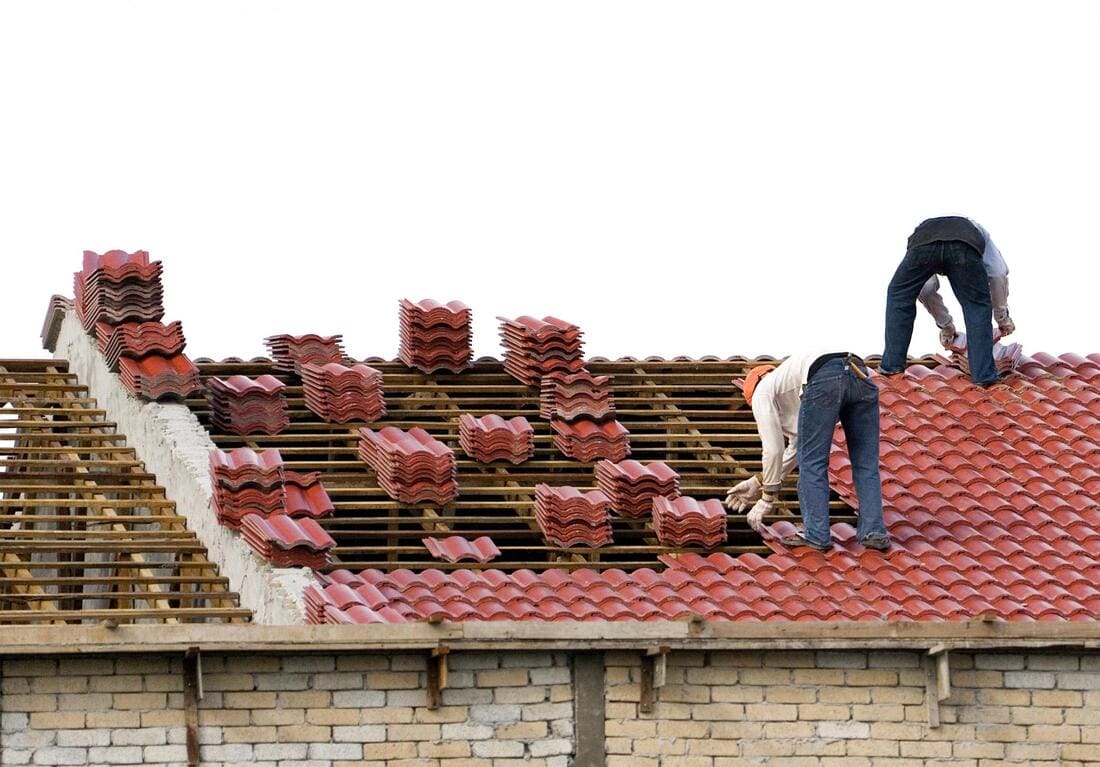
Emergency roof repair begins with the condition inside the house. Water may be running beside a light, crossing a ceiling seam, dripping over a child’s room on a school night, or entering beneath tile displaced by wind. Call (623) 241-4904 and describe what is happening now. Keep everyone off the roof while the contractor decides whether temporary protection can be installed safely or the visit must wait for dangerous weather to pass.
What counts as urgent
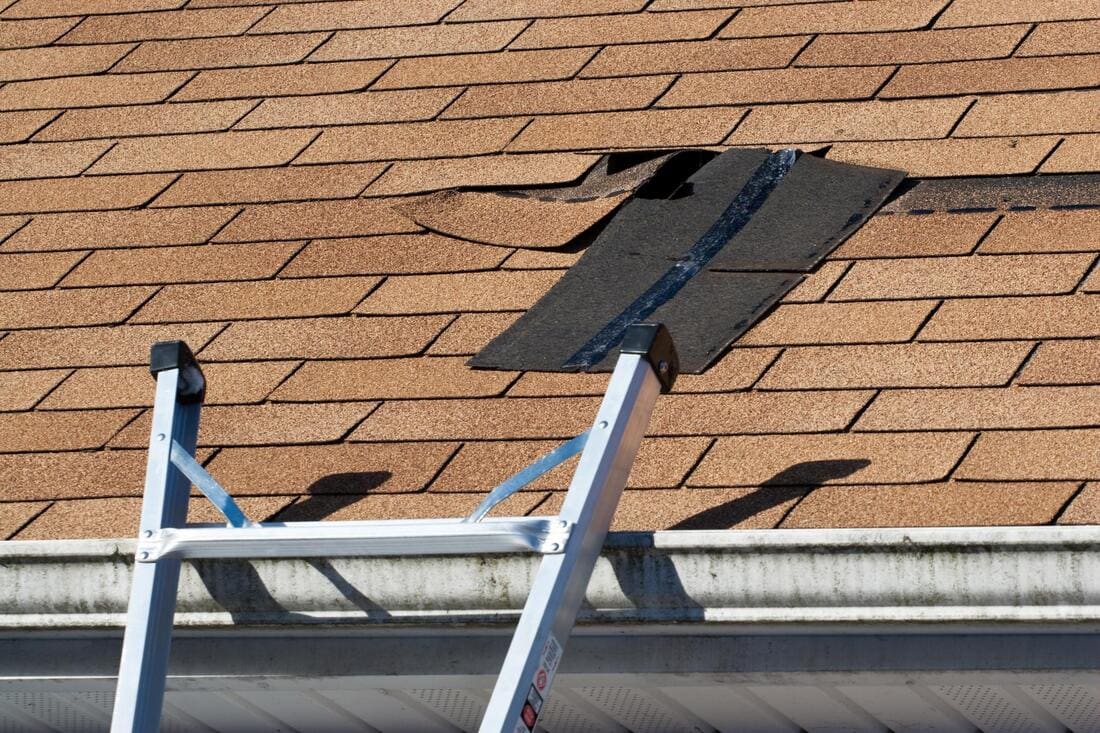
Urgent conditions include active dripping near electrical fixtures, a ceiling that is swelling or sagging, water moving toward cabinets or flooring, exposed decking, a broad shingle opening, and tile movement that leaves underlayment open to rain. A dry stain from an earlier event still deserves inspection, but current water and a visible opening move to the front of triage. Tell the scheduler if children, older residents, pets, or a sleeping area need to be moved away from the leak path.
Fire, electrical, or structural danger needs the appropriate emergency service in addition to a roofer. Roofing triage deals with weather entry; it does not make a wet electrical fixture safe. When the immediate hazard is controlled, the leak repair process connects the indoor symptom to the failed roof detail.
Temporary protection is sometimes the first step
Emergency work may use a secured tarp, limited seal, board-up, or another dry-in method to reduce exposure. The $400-$1,000 range is a Chandler planning figure, not a dispatch promise. Roof height, wind, lightning, rain, tile conditions, access, and the opening size determine what can be done and what the contractor prices. Safety can require waiting until a storm cell moves on.
Temporary protection buys time; it does not rebuild the failed component. The follow-up inspection should identify whether permanent work is a flashing correction, underlayment patch, tile reset, shingle section, decking repair, or replacement plan. Ask how long the temporary work is expected to remain effective and what weather could compromise it.
Keep the inside safe
Move people, furniture, rugs, and electronics away from the water path. Put a stable container beneath the drip and use towels only where you can do so without standing under swollen drywall. Take wide and close interior photos before cleanup. Stay clear of wet fixtures and contact appropriate electrical help when water is near power. Avoid puncturing a ceiling, pulling soaked insulation, or opening drywall unless a qualified person directs the work.
Write down where water first appeared and whether it slows after the rain. A drip that continues can be water stored in insulation or traveling along framing, while a rapidly growing ceiling area can signal a larger collection above it. Share any change with the scheduler. Indoor observations help prioritize the call without asking you to take roof photos.
Scheduling after Chandler storms
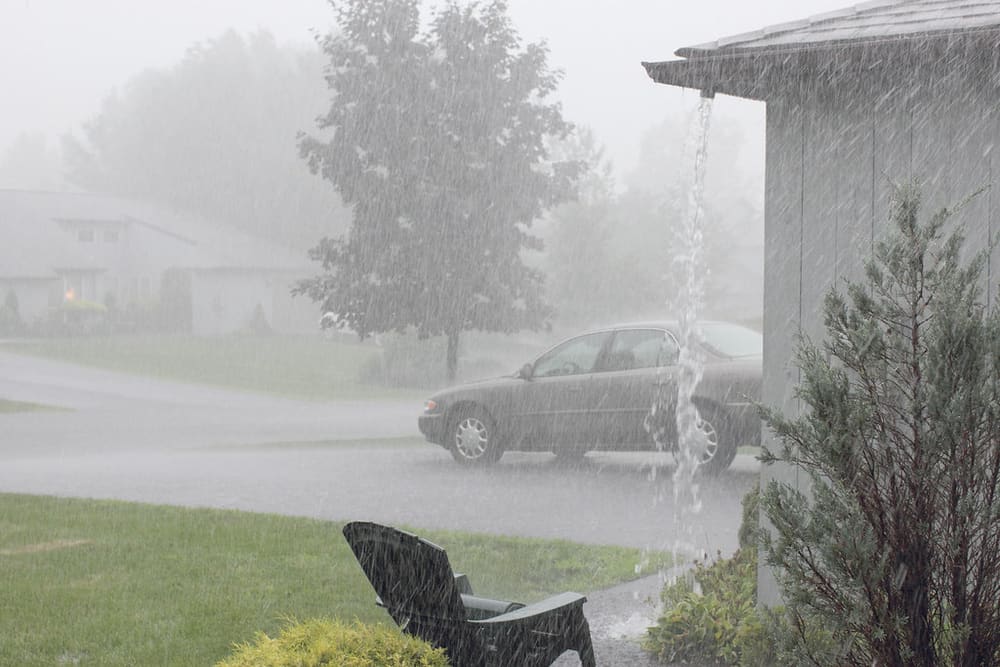
A hard monsoon night can produce several urgent calls across Chandler and neighboring southeast Valley routes. Give the exact address, roof type, number of stories, interior water location, gate or pet notes, and any temporary work already attempted. Those facts help separate an active opening from a routine roof inspection. For broader storm conditions, the monsoon repair page explains photo documentation and insurance-safe scope language.