A roof inspection should convert a worry into an evidence-based next step. Is the broken tile only a surface problem? Did wind move the surrounding field? Does a ceiling mark trace to flashing or tired underlayment? Is the roof suitable for monitoring, repair, or replacement planning? Call (623) 241-4904 for a Chandler inspection that connects roof photos with the condition you can see from inside the home.
What gets checked
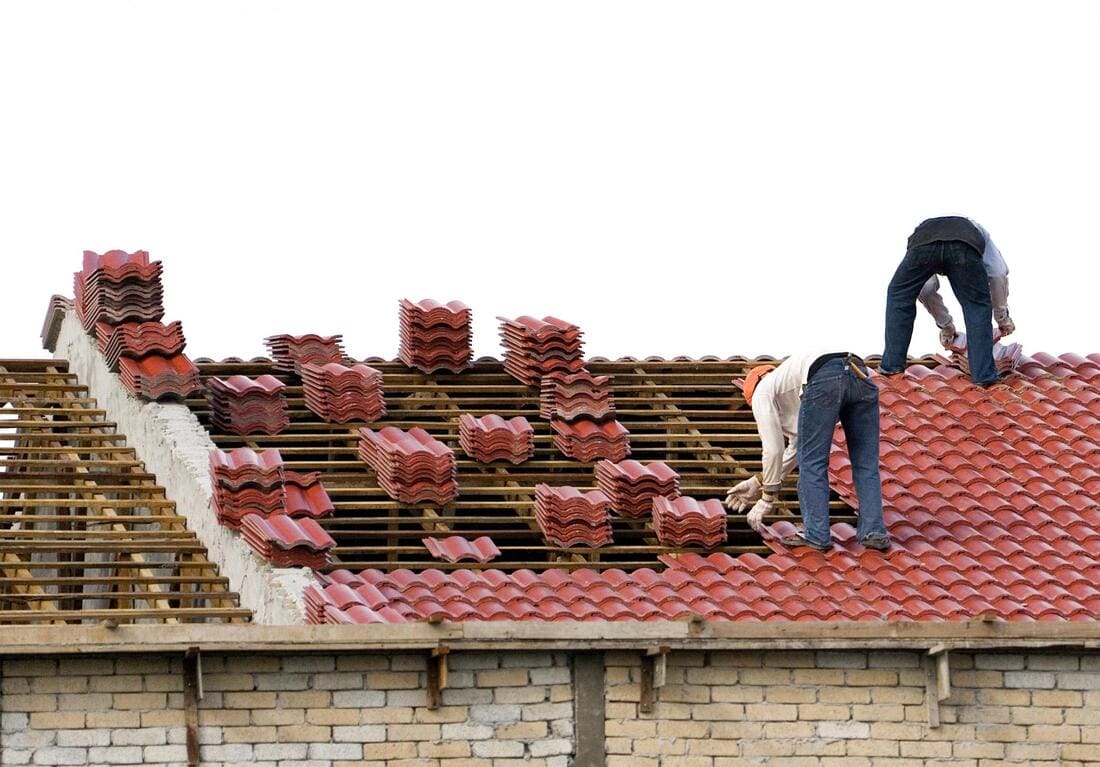
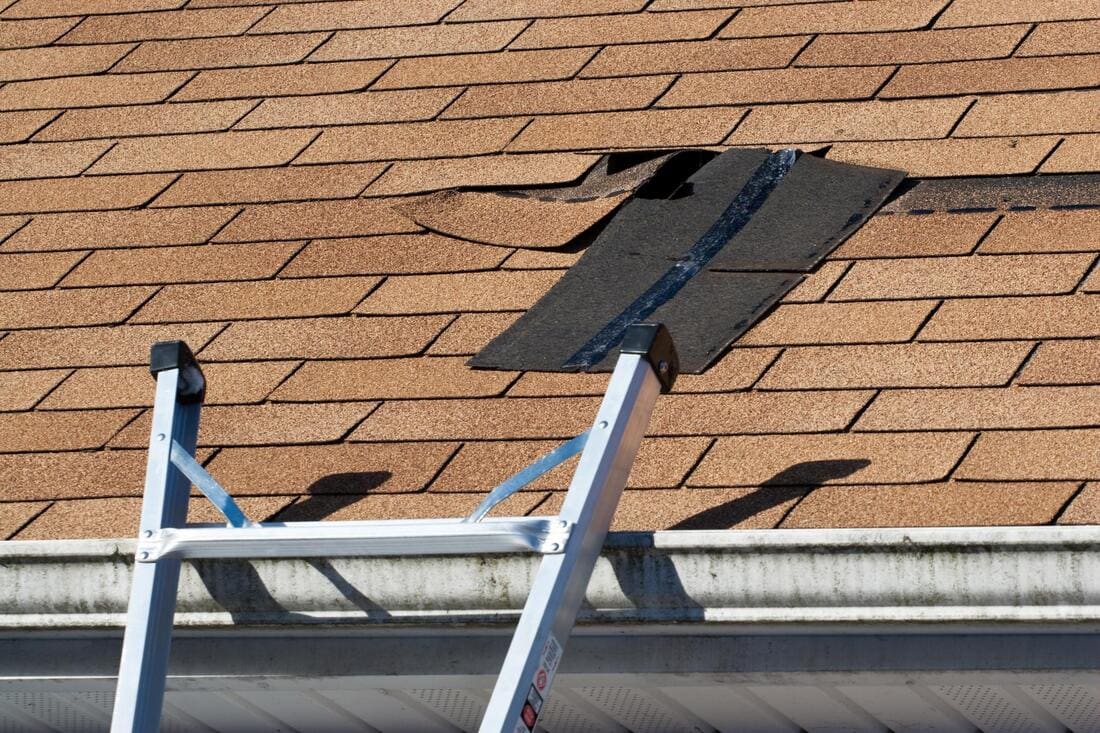
The exterior review covers concrete tile or shingles, ridges, valleys, eaves, vents, pipe jacks, skylights, wall flashing, patio tie-ins, drainage points, fascia, and soffit areas. The contractor notes cracked or displaced material, UV-dried sealants, debris collecting in water paths, and penetrations that have opened. An interior or attic check can add evidence when access is safe and relevant.
Tile roofs deserve a separate underlayment question because the surface can remain attractive after the waterproofing paper has aged. Limited lifting at a suspect area can reveal whether material is flexible and intact or brittle around a leak path. The tile repair page explains how that finding changes the repair boundary.

Useful moments to schedule
Useful inspection moments include the first dry window after a strong monsoon cell, a buyer or seller decision period, a new tile piece in the yard, a stain that changes after sideways rain, or a second repair on a different roof plane. Winter and spring also provide a calmer planning season for checking underlayment and completing work before the fixed June 15 through September 30 Arizona monsoon window.
Many 1990s and 2000s Chandler tile roofs are at an age where the original paper below the tile deserves attention even if the street-facing surface looks fine. A baseline set of photos helps distinguish routine broken-tile maintenance from a pattern that should be budgeted over a wider area.
Basic inspection versus written report
A basic inspection with photos is offered at no cost when it is used to develop a repair proposal. A formal real-estate report requires more documentation and often falls in the $225-$450 planning range. Tell the scheduler about contract deadlines, requested report format, buyer or seller access, and any prior inspection notes so the right appointment is reserved.
The deliverable should match the decision. A homeowner with one cracked tile may need photos and a firm repair quote. A buyer may need written observations across the full roof, remaining-life context, and pricing for material concerns. Ask what will be supplied before the visit rather than assuming every inspection creates the same document.
What the photos should explain
A useful photo sequence starts wide enough to locate the slope, moves close enough to show the defect, and includes surrounding material that sets the repair boundary. Notes should state what is observed and separate that from anything still hidden. If monitoring is reasonable, say what change should trigger another call and which slope deserves attention after the next storm. If a repair is a short bridge, compare it with the roof repair cost guide and replacement planning. For active water rather than a dry concern, switch to urgent triage. Dated, clearly labeled roof locations make the photo baseline easier to use later and help the homeowner compare a future change with the condition observed today.