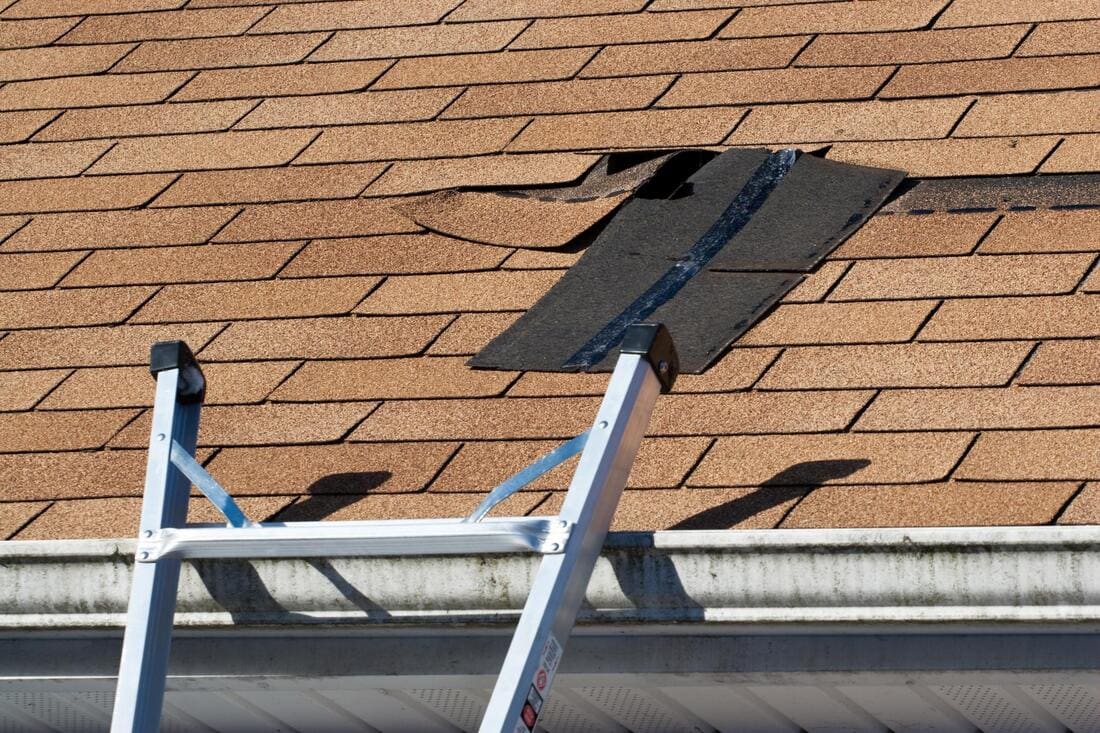
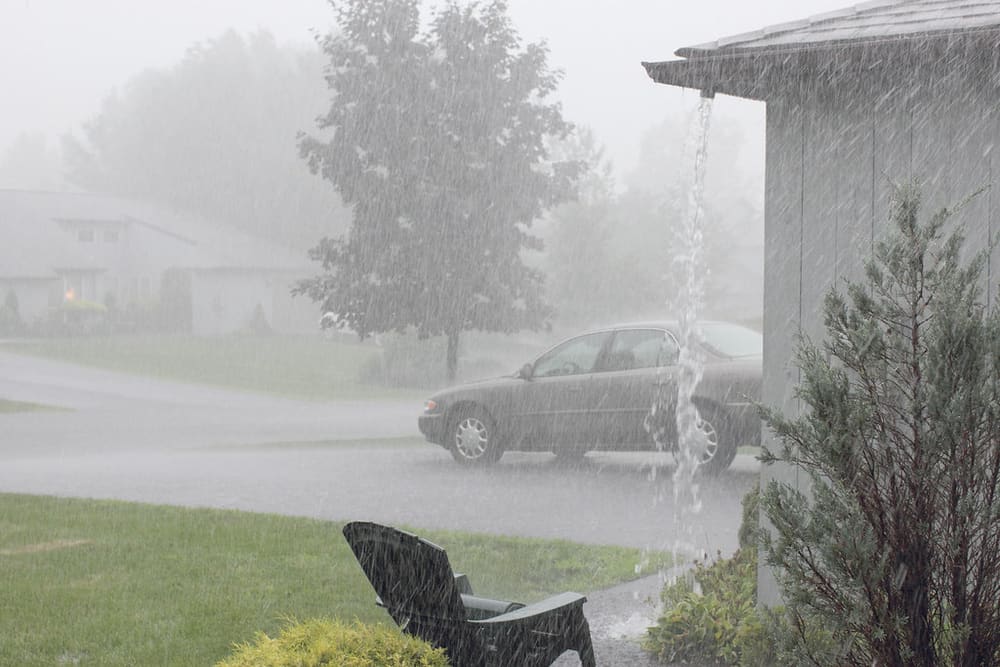
Water rarely respects the trade line between a roof and an exterior wall. A failed roof edge can stain fascia, soften a soffit, mark stucco below flashing, or wet siding on an addition. Wind can loosen trim while shifting tile above it. Call (623) 241-4904 for a Chandler inspection that identifies the water source first, then separates the roofing, drainage, and visible exterior repairs in writing.
Roof edges are part of the water system
Fascia supports roof-edge details and often anchors gutters. Soffits close the underside of the eave. Stucco or siding meets roof flashing at walls and additions. A dark edge can be the end of a leak path from farther upslope, direct overflow from a valley, or wind-driven water crossing a failed wall transition. Covering the stain before tracing the source only hides useful evidence.
The inspection should look above, behind, and beside the damaged finish. Roof photos, a moisture pattern, gutter alignment, and interior clues help sort the systems. Begin with roof leak tracing when water also appears indoors, or use gutter and drainage service when the problem occurs at concentrated runoff points.
Typical Chandler exterior repairs
Exterior scopes may include a limited fascia board, soffit panel, gable siding area, loose trim, or stucco-edge repair near roof flashing. Storm work can also involve material displaced by wind or marked by impact. The contractor should check whether damage is cosmetic, creates a direct opening, or points back to a roof condition that must be corrected first.
Material matching deserves an honest conversation. Sun exposure can change the appearance of paint, stucco, vinyl, and manufactured trim, so even a compatible new section may not look identical on day one. A scope should identify the repair boundary, finish expectations, and who handles coating or paint if those items are separate.

When roof repair comes first
New finish material cannot compensate for water still crossing damaged underlayment, flashing, or a roof edge. Start with roof inspection when marks align with a valley, tile field, patio connection, or wall flashing. Repair the waterproofing and allow wet areas to be evaluated before closing the exterior. That sequence reduces the chance of trapping moisture behind fresh trim.
A combined proposal should still use separate line items. Ask which crew handles the tile or underlayment repair, which material replaces fascia or siding, and how the transition will be sealed. Photos after the roof step provide a useful record before finish work covers the area.
Clean scopes for HOA neighborhoods
Chandler HOA neighborhoods may review exterior colors, visible material changes, access, or construction logistics. The assigned contractor verifies current requirements for the specific address rather than quoting an assumed rule or fee. The scope should describe the street-visible repair, matching plan, staging, cleanup, and any owner approval needed before material is ordered. Call (623) 241-4904 with the HOA name if it affects scheduling or finish selection. Photograph the repaired transition before finish work covers it, and keep product and color details with the final paperwork for future maintenance. At completion, inspect the visible elevation from the street and the repaired water-control detail up close. Those are separate quality checks, and both should agree with the written scope. Ask which change in the finish or roof edge would indicate renewed movement or moisture during a later storm.