A price makes sense only beside the repair it buys. On Chandler roofs, cost changes with the water entry point, tile or shingle system, number of slopes opened, underlayment condition, safe access, material match, decking, and storm urgency. Use the southeast Valley bands below to set a budget, then call (623) 241-4904 for an inspection and a written scope that turns the planning figure into an actual quote.
2026 Chandler planning ranges
These 2026 figures are market-typical planning ranges for southeast Valley homes. They are not an operator rate card or an offer for unseen work. A single-story shingle repair with clear access, a tile lift above a two-story patio, and a wet valley with decking damage require different labor and material even when the ceiling stains look similar. Other published figures include $175-$600 for many gutter repairs, $1,400-$3,500 for many seamless gutter installations where appropriate, $225-$450 for formal real-estate roof reports, and $1.25-$3.75 per square foot for some flat or foam section recoats. Each belongs to a different measured scope. Many full Chandler tile or shingle replacements plan around $15,000-$38,000, or roughly $575-$900 per square installed after measurement. Roof geometry, decking, material, and access determine where a real proposal lands inside or outside that broad band.
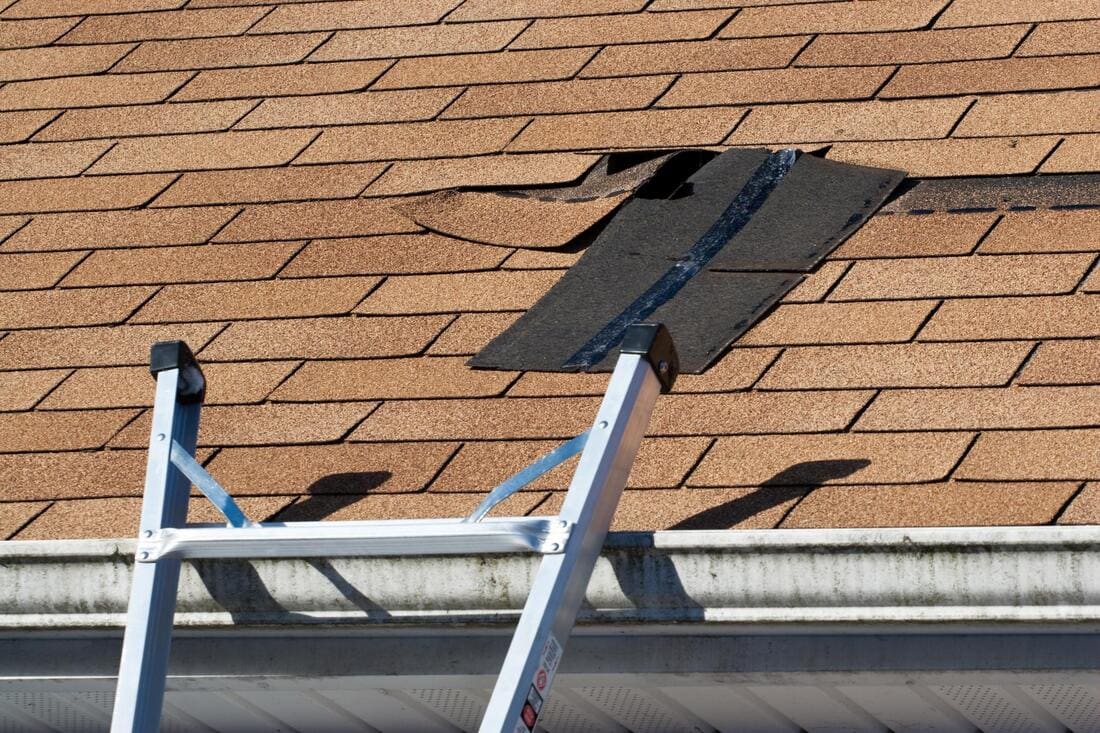
- Minor roof repair: $300-$750. Small tile resets, pipe boots, shingle tabs, lifted flashing, and UV-cracked sealant.
- Moderate leak repair: $700-$1,800. Leak tracing, tile underlayment patching, patio tie-ins, valley work, and limited decking repair.
- Major section repair: $1,800-$5,000. Multi-slope storm damage, larger tile fields, decking sections, or several failure points at once.
- Emergency dry-in: $400-$1,000. Temporary weather protection after monsoon wind, wind-driven rain, or sudden roof openings.
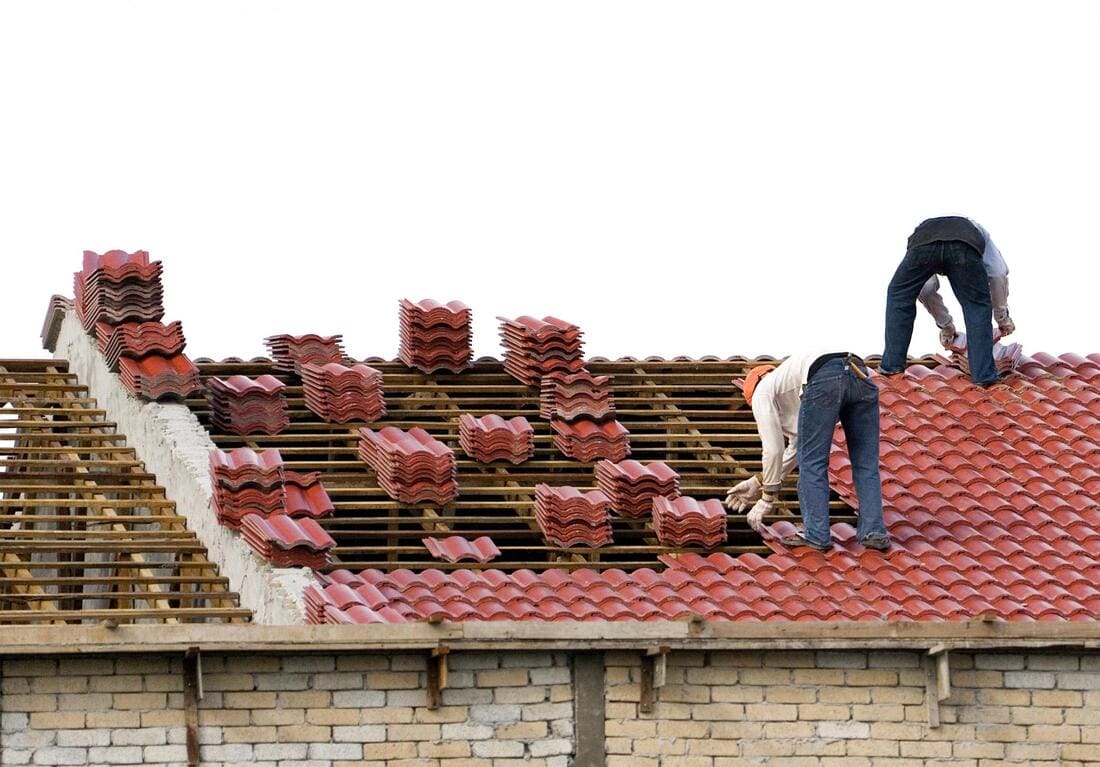
- Replacement planning: $15,000-$38,000. Many Chandler tile or shingle homes, roughly $575-$900 per square installed after inspection.
- Flat or foam section recoat: $1.25-$3.75 per sq ft. Patio covers and low-slope sections where prep, tie-ins, and coating condition set the range.

Why two repair quotes can differ
A low tile quote may reset visible pieces without opening the underlayment. Another may include controlled tile removal, a paper patch tied into sound material, replacement pieces, and a rebuilt flashing lap. Shingle proposals can differ on course removal, starter or ridge material, pipe boots, and decking allowances. Compare what each contractor believes failed before comparing totals.
Access and risk add real labor. A two-story rear plane, tight side yard, brittle tile, skylights, solar equipment, a steep transition, or an occupied patio changes setup and protection. Ask whether cleanup, disposal, interior review, photos, material pickup, and return trips are included. A written quote should say how hidden decking or a discontinued tile profile changes the price after the roof is opened.
Use roof inspection when you need a neutral starting point. For tile-specific scope questions, read tile roof repair. The purpose is to compare equivalent work, not to make the broadest proposal automatically look more complete.
Repair, dry-in, or replacement
A minor repair fits an isolated pipe boot, flashing edge, shingle tab, sealant failure, or small tile condition surrounded by sound material. Moderate work often requires tracing, lifting tile, patching underlayment, rebuilding a patio tie-in or valley, or replacing limited decking. Major section work applies when several related details or a larger field must be opened.
A $400-$1,000 emergency dry-in is temporary weather protection, useful when active water cannot wait for full material planning. Replacement moves into view when several slopes leak, original paper below 1990s or 2000s tile has become broadly brittle, shingles have aged under intense heat, or repair spending keeps following new openings. Use roof repair in Chandler for the repair-first overview and replacement planning for full-scope questions.
Written pricing should be specific
A written quote should locate the roof plane, name the failed component, identify new material, define the area opened, and state how the repair joins sound surrounding work. It should cover access, protection, debris, cleanup, underlayment, flashing, expected tile replacement, decking allowances, and exclusions. For replacement or structural work, the assigned contractor verifies current city, county, and HOA requirements without inventing a fee.
Also ask what the price does after hidden damage appears. A fixed allowance, unit price, or written change-order method is easier to evaluate than an open-ended verbal promise. Ask how tile breakage, unavailable profiles, wet decking, extra underlayment, or a second failed flashing detail will be photographed and approved. The contract should identify payment timing and any warranty supplied by the independent contractor. Storm photos and an itemized scope may support an insurance discussion, but the carrier decides coverage. No planning band changes the policy or eliminates the homeowner's contractual obligations. Compare the proposed repair boundary, materials, allowances, cleanup, permit or HOA responsibility, and follow-up terms before comparing price alone. A scope that omits a water-control detail may create a later change order even when its first total is lower. Keep each proposal and photo set together so the same slope, material, and hidden-damage assumptions are being compared. Call (623) 241-4904 when you are ready to replace the planning band with an inspected price.