A Chandler leak may first appear as a dark ring over a hallway after the family has gone to bed, a drip beside a recessed light, or damp drywall where a patio roof joins the house. The opening can be several feet upslope from that symptom. Call (623) 241-4904 while water is active or when you want the stain traced before the next monsoon cell loads the same path again.
Start with the water path, not the stain
Gravity pulls water downslope, but decking seams, rafters, insulation, pipes, and wiring can redirect it before it falls. The inspection begins at the interior mark, checks the room position and attic when safely accessible, then follows the likely roof plane toward pipe flashings, skylight corners, valleys, ridge details, sidewalls, tile laps, and underlayment seams. Roof photos and interior clues should tell one consistent story.
While a drip is active, move electronics and furniture, set a stable container below the water, and keep people away from bulging drywall. Photograph the room from the floor. Wet tile and dust-coated shingles can be extremely slick, so leave roof access to the contractor. If water is spreading quickly, use emergency roof repair rather than waiting for a routine visit.
Chandler leak sources we look for
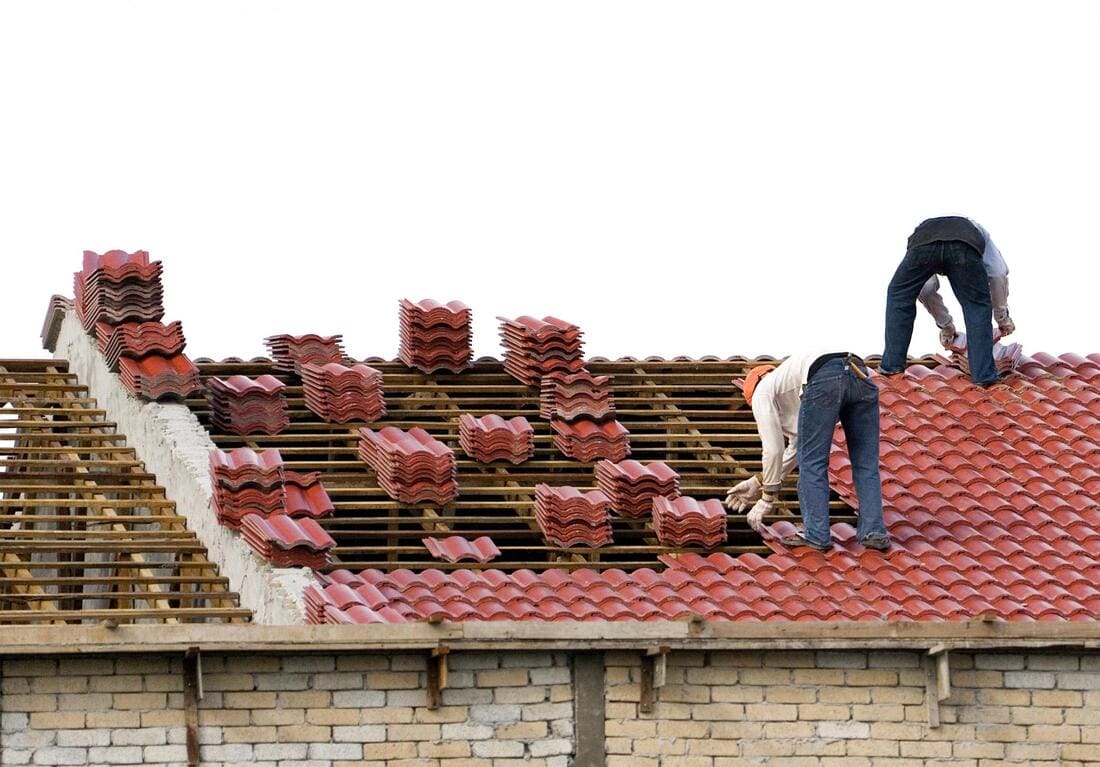
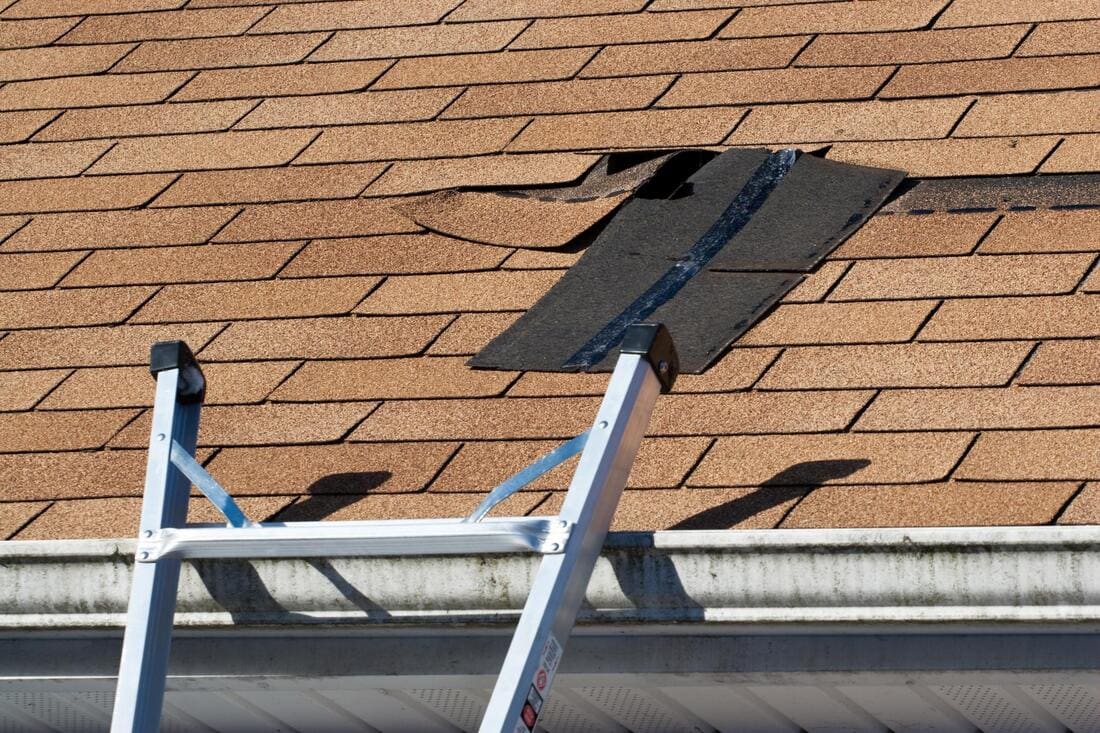
Repeated roof shapes across family subdivisions create familiar diagnostic checkpoints without making every leak identical. Patio cover tie-ins can trap or redirect runoff. Pipe-jack seals harden under UV. Skylight corners and roof-to-wall flashings can admit sideways rain. Ridge caps and valleys may open as mortar or sealant ages. A shifted tile can expose tired paper, while a missing shingle tab can open the course below it.
The weather pattern matters. A leak that appears only with wind from one direction points toward a lap or flashing detail. A mark that grows on a calm dry day may be retained moisture finishing its path through insulation. Several stains on different slopes can indicate aging underlayment rather than one isolated opening. The contractor should ask when and how the symptom changes before reaching for sealant.

Repair scope after the trace
A small pipe flashing, shingle tab, or limited tile repair may fit the $300-$750 planning band. Tracing that requires a controlled tile lift, underlayment patch, patio transition, valley work, or limited decking commonly fits the $700-$1,800 band. Roof height, safe access, material match, hidden wood damage, and storm urgency decide the actual quote after inspection.
The written scope should identify the roof plane, the failed component, how new material ties into sound surrounding work, and what is excluded. If paper under several tile sections is failing, review roof repair in Chandler, the roof repair cost guide, and tile roof repair options. A repair can still be the right answer, but it should have a defensible boundary.
What to share when you call
Tell the scheduler the Chandler ZIP code, nearest cross streets, roof material if known, room where the symptom appeared, and whether water is still moving. Mention a skylight, solar equipment, a two-story rear slope, a locked gate, pets, or a patio addition if any affect access. Explain whether the stain followed wind-driven rain, ordinary rain, or appeared later. Those details help distinguish a standard roof inspection from a dry-in call and let the contractor bring likely tile or flashing materials.