An Ahwatukee leak can appear where a tile plane meets a stucco wall, below a ridge exposed to foothill-adjacent wind, or at an eave where debris changed the water path. Those conditions require more than replacing the closest surface piece. Call (623) 241-4904 with the southeast Phoenix address, room location, and storm timing so a Chandler-area contractor can plan both roof access and the leak trace.
Foothill wind and roof edges
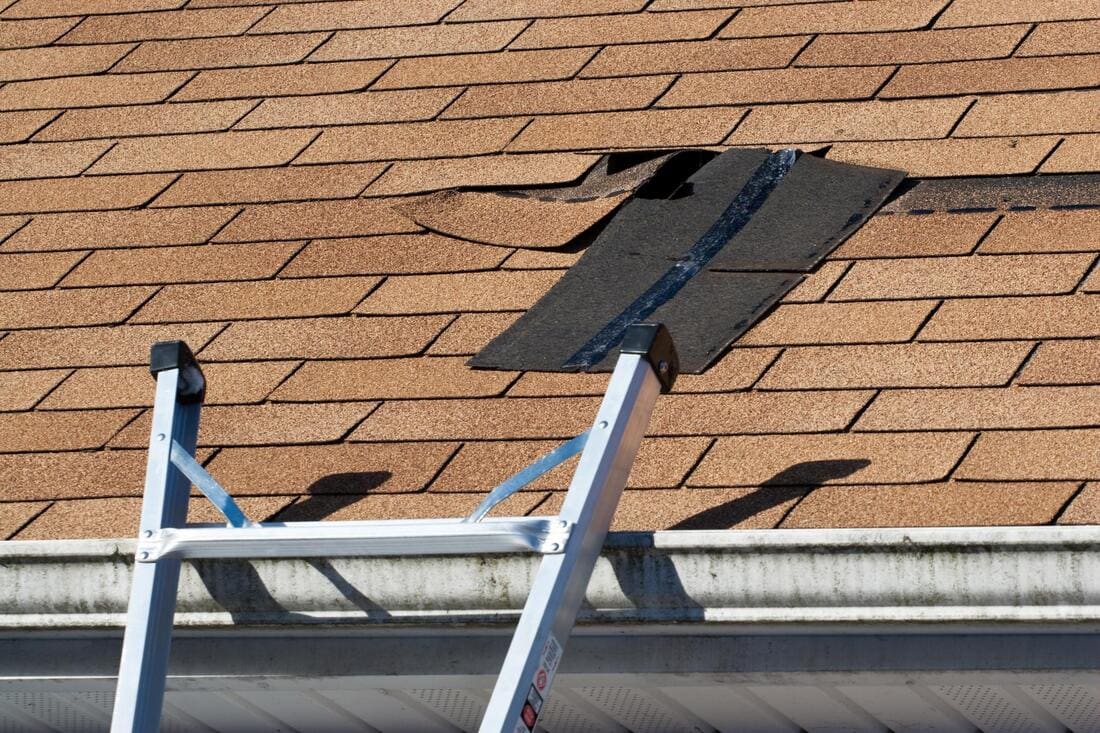
Changing exposure can load Ahwatukee ridges, corners, and roof edges differently from a protected interior plane. A gust may slide tile below a hip, loosen a cap, lift shingle tabs, or carry debris into a valley. The inspection should follow the reported wind direction where known and photograph surrounding material, not only the obvious piece. See monsoon storm roof repair for dry-in and documentation steps after visible movement.
Stucco and flashing transitions
A ceiling or wall mark near stucco does not identify which layer opened. Water may cross roof-to-wall flashing, enter behind a counterflashing edge, move through tired underlayment, or reach a UV-cracked seal before it follows framing indoors. The contractor should inspect the roof plane above the mark and trace the transition without using cosmetic stucco work to cover an active path. The leak page explains how interior and exterior evidence are paired.
Repair scope clarity
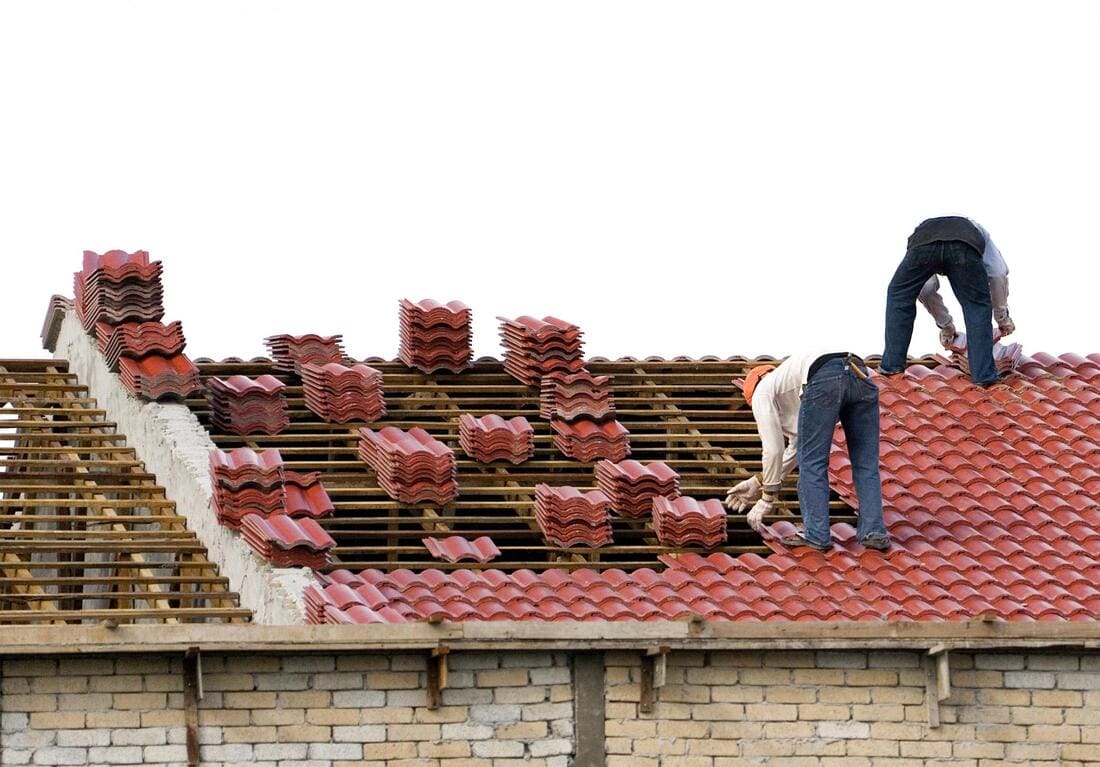
A written Ahwatukee scope should locate the roof plane, name the flashing or underlayment work, state how much tile is lifted, and separate stucco-edge or trim restoration. It should address matching tile, access, cleanup, and what happens if decking is wet. Review exterior trim and siding coordination when finish work is needed after waterproofing, and use the roof repair cost guide to compare equivalent line items.
Routing from Chandler
Keep waterproofing and finish decisions separate in the final paperwork. A future service call should be able to identify the repaired flashing or underlayment even after stucco-edge work covers the transition.
Use areas we serve to compare southeast Valley routes. For Ahwatukee, call (623) 241-4904 with nearest cross streets, roof material, number of stories, active-water status, gate or pet instructions, and any steep or limited access visible from the ground. The contractor confirms scheduling before a visit is promised. Stay off wet tile and take safe interior photos instead. If water begins moving near a fixture or sagging ceiling, request emergency triage rather than waiting for a routine check. Once the leak is traced, ask for a sequence that repairs underlayment or flashing before stucco-edge finish. The proposal should say how much tile is disturbed, whether the wall transition is opened, how hidden wood is handled, and what finish matching can realistically achieve after years of sun. A photograph of the waterproofed transition before cosmetic closure gives the homeowner a record of the component actually stopping water. The final scope should distinguish roof warranty terms from any separate finish or coating coverage so responsibility remains clear. Ask whether nearby sun-cracked sealant is part of the repair or a separate maintenance recommendation.